6 Steps to a Minimalist Small Apartment: A Beginner’s Budget-Friendly Guide
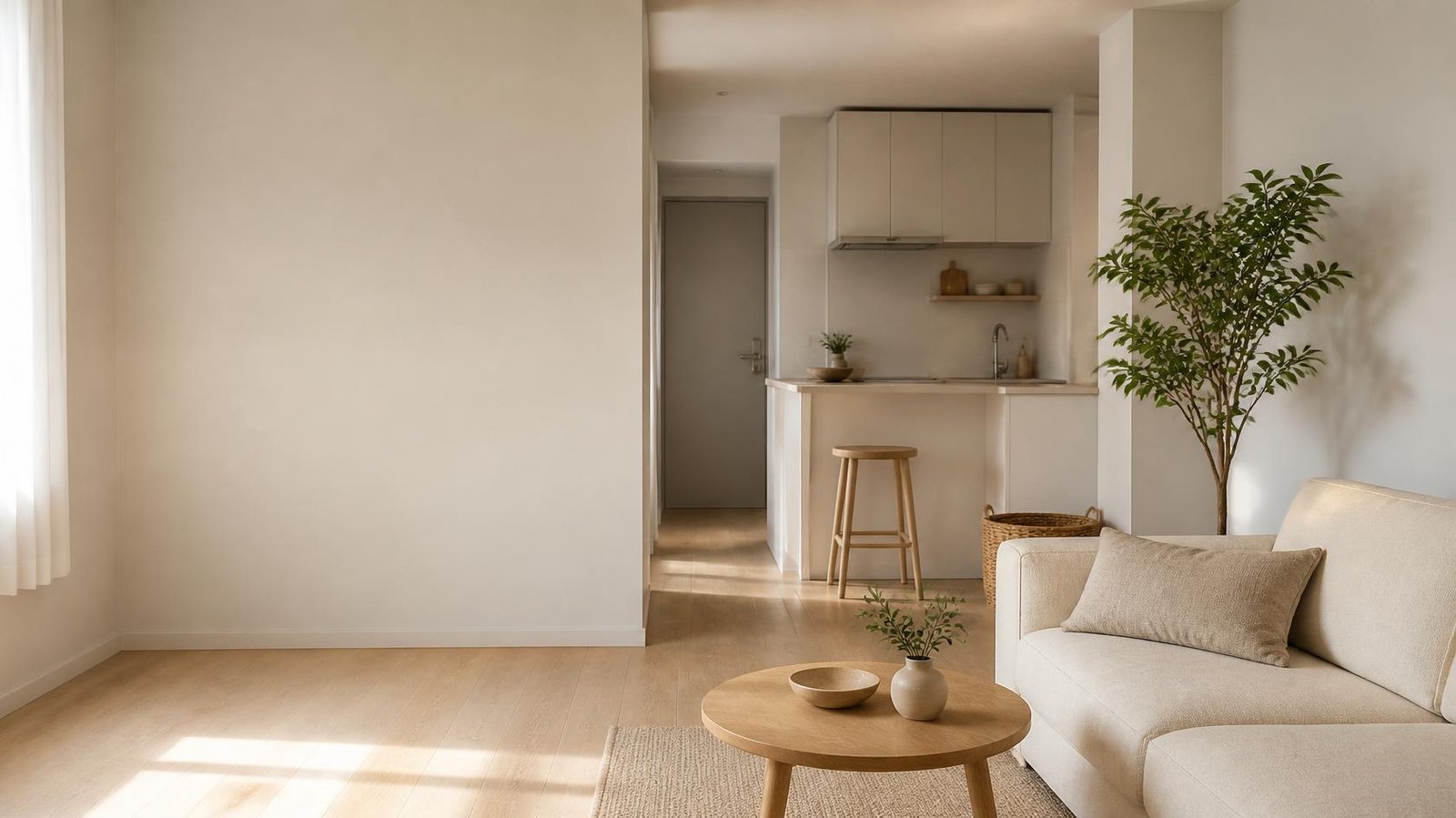
If you’ve ever stood in the middle of your apartment feeling like the walls are closing in — not because the space is small, but because it’s full — you already understand why minimalism and small apartments go so well together. The good news: creating a minimalist small apartment doesn’t require a renovation budget or a truckload of new furniture. You need a process, and that’s what this guide gives you.
This isn’t another photo roundup of beautifully staged apartments that cost a fortune to recreate. It’s a step-by-step path built for beginners who want a calmer, clutter-free home without spending money they don’t have.
What Minimalist Living Actually Means in a Small Apartment
Minimalism vs. Just Having Small Space
Living in a small apartment doesn’t automatically make you a minimalist — it just means you have less room to store the things you don’t use. Minimalism is a decision, not a floor plan. It means keeping only what you genuinely use, need, or love, and being intentional about everything else that enters your home.
A small apartment full of clutter still feels chaotic, no matter how tidy the corners look in a photo. A small apartment edited down to the essentials feels open — even if the square footage never changes.
Why Small Apartments Benefit Most From Minimalism
Small spaces amplify everything. One extra chair, a pile of mail, or a closet stuffed with clothes you don’t wear takes up proportionally more visual and physical space than it would in a large house. That means small apartments get an outsized return on minimalism:
- Less to clean, organize, and maintain
- Lower stress from visual clutter
- More usable floor space without moving to a bigger (more expensive) unit
- Fewer unnecessary purchases, which protects your budget
This is where minimalism, frugality, and peace of mind actually overlap — and it’s the foundation for everything else in this guide.
Before You Decorate: Declutter First (The Step Most Guides Skip)
Most “minimalist apartment” articles jump straight to furniture and photos. But decorating a cluttered space just gives you a nicer-looking cluttered space. The real transformation — and the free one — happens before you buy anything.
The One-Category-at-a-Time Method
Trying to declutter “the whole apartment” in one afternoon is overwhelming and rarely finishes. Instead, work through one category at a time, wherever those items live in your home:
- Clothes
- Kitchen items
- Papers and mail
- Bathroom products
- Sentimental items (do this one last)
- Electronics and cords
- Miscellaneous/junk drawer items
Pull everything in that category into one pile so you can see the true volume — it’s usually more than people expect, and that visual alone motivates letting go.
What to Keep, Donate, Sell, or Toss
For each item, ask three questions:
- Have I used this in the last 12 months?
- Would I buy this again today?
- Does it serve a real purpose, or am I keeping it “just in case”?
Then sort into four piles: Keep, Donate, Sell, and Toss/Recycle. Anything you’re unsure about goes in a box, dated, and revisited in 30 days — if you haven’t needed it by then, let it go.
📋 Room-by-Room Decluttering Checklist
Save this checklist to Pinterest or print it out — work through your living room, bedroom, kitchen, and bathroom one category at a time using the Keep / Donate / Sell / Toss framework above.
Where to Sell Unwanted Items for Extra Cash
Decluttering doesn’t just clear space — it can fund the rest of your minimalist setup. Items in good condition (furniture, electronics, clothing, kitchenware) can be sold through local Facebook Marketplace groups, OLX, or neighborhood buy-sell-trade communities. Even a modest ৳3,000–৳8,000 from unused items can cover your first round of storage baskets or a multifunctional piece of furniture — with zero new money spent.
Budget-First Minimalist Setup (No Renovation Needed)
Once your space is decluttered, resist the urge to fill it back up. A truly minimalist small apartment isn’t about buying “minimalist-looking” products — it’s about buying less, and buying well.
What to Buy First vs. What to Skip
Buy only what solves a real problem in your space. Skip anything you’re purchasing purely because it looks aesthetic in photos.
| Buy First (if needed) | Skip for Now |
|---|---|
| Storage baskets or bins for existing items | Decorative accents “just because” |
| One multifunctional furniture piece | A full furniture set replacement |
| Simple curtains, if windows are bare | Trendy items with no proven need yet |
Multifunctional Furniture Worth the Investment
In a small apartment, furniture that does two jobs is worth more than furniture that does one job beautifully. Prioritize a storage ottoman, a bed frame with drawers underneath, a foldable dining table, or a daybed for guest space. Add one at a time, only when a genuine need shows up.
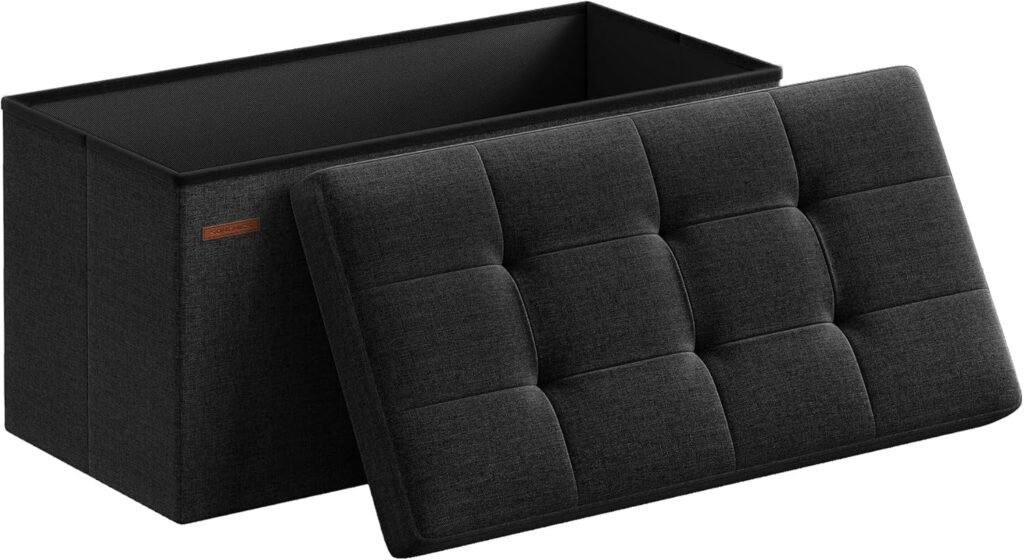 Folding Storage Ottoman
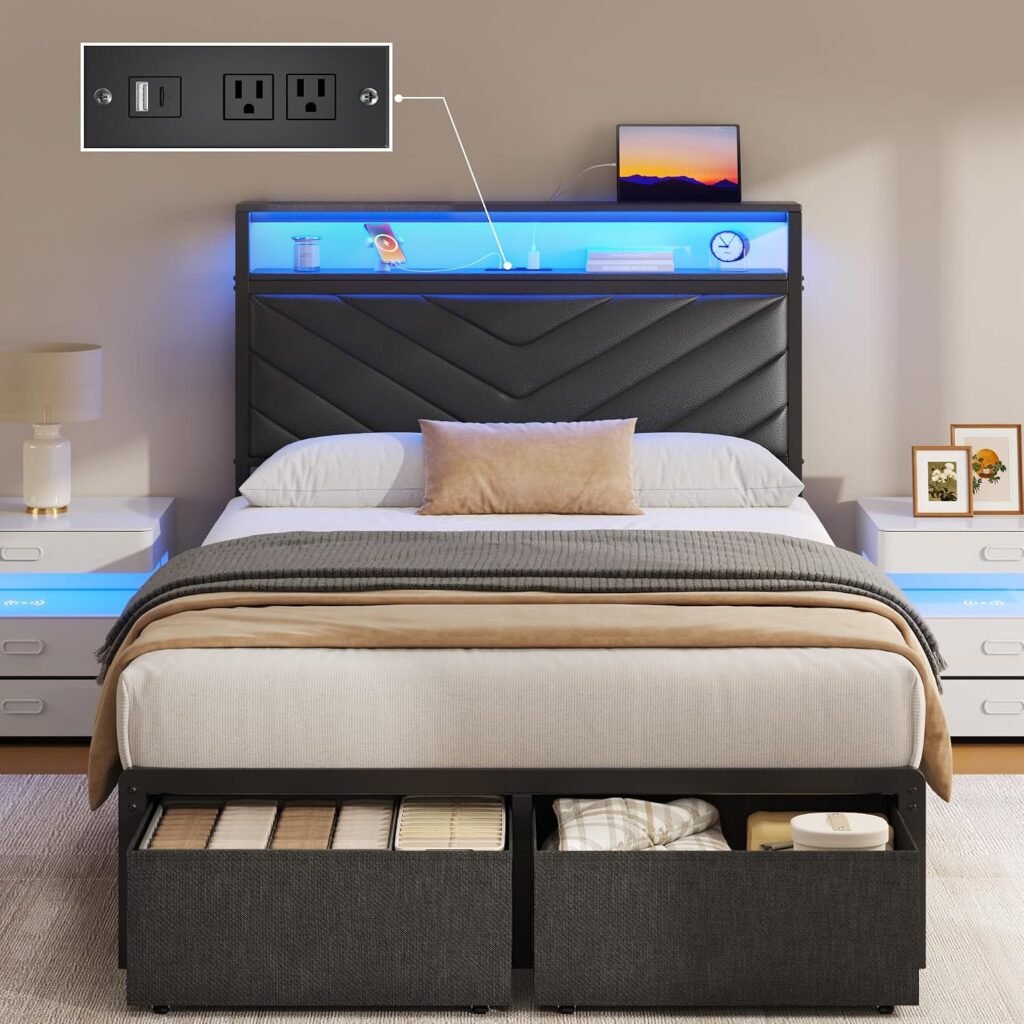 Bed Frame with Storage Drawers
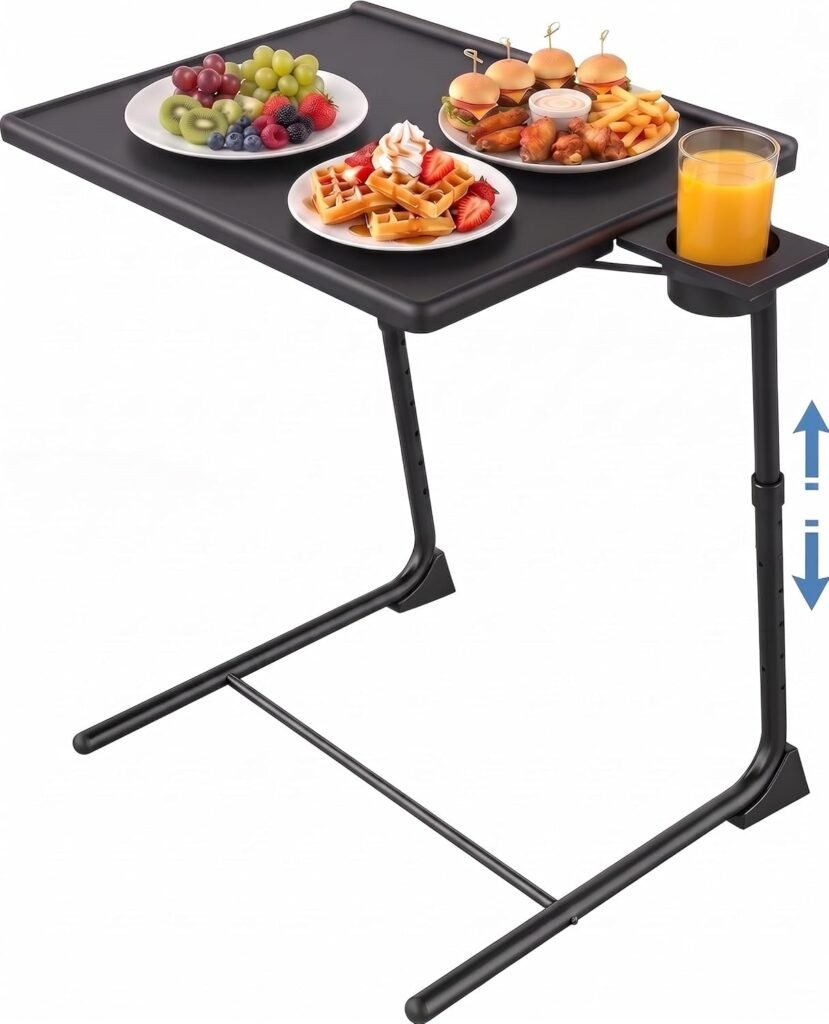 Foldable Dining Table
As an Amazon Associate, The Minimal Nest earns from qualifying purchases. This comes at no extra cost to you.
Free or Nearly-Free Storage Hacks
- Repurpose shoeboxes and jars as drawer organizers
- Use command hooks on the inside of cabinet doors for lids, cleaning tools, or accessories
- Install a tension rod under the sink to hang spray bottles
- Use a suitcase you already own for off-season clothing storage
Room-by-Room Minimalist Ideas for Small Spaces
Every minimalist small apartment looks a little different depending on layout, but the same core principle applies room to room: fewer, better items and more breathing room.
Living Room
Choose one focal seating piece instead of a full matching set. A low-profile sofa or two armchairs create openness that a bulky sectional can’t. Keep surfaces — coffee tables, shelves — mostly clear; one plant and one stack of books is enough.
Bedroom
The bed is the anchor; everything else should support rest, not compete with it. Under-bed storage handles off-season items. Skip a dresser if closet space allows — one less piece of furniture means more floor space.
Kitchen
Keep countertops nearly empty — only daily-use appliances stay out. Store duplicate tools (you likely don’t need three spatulas) and donate anything unused in the past year. A simple utensil crock and one set of matching dishware go a long way visually.
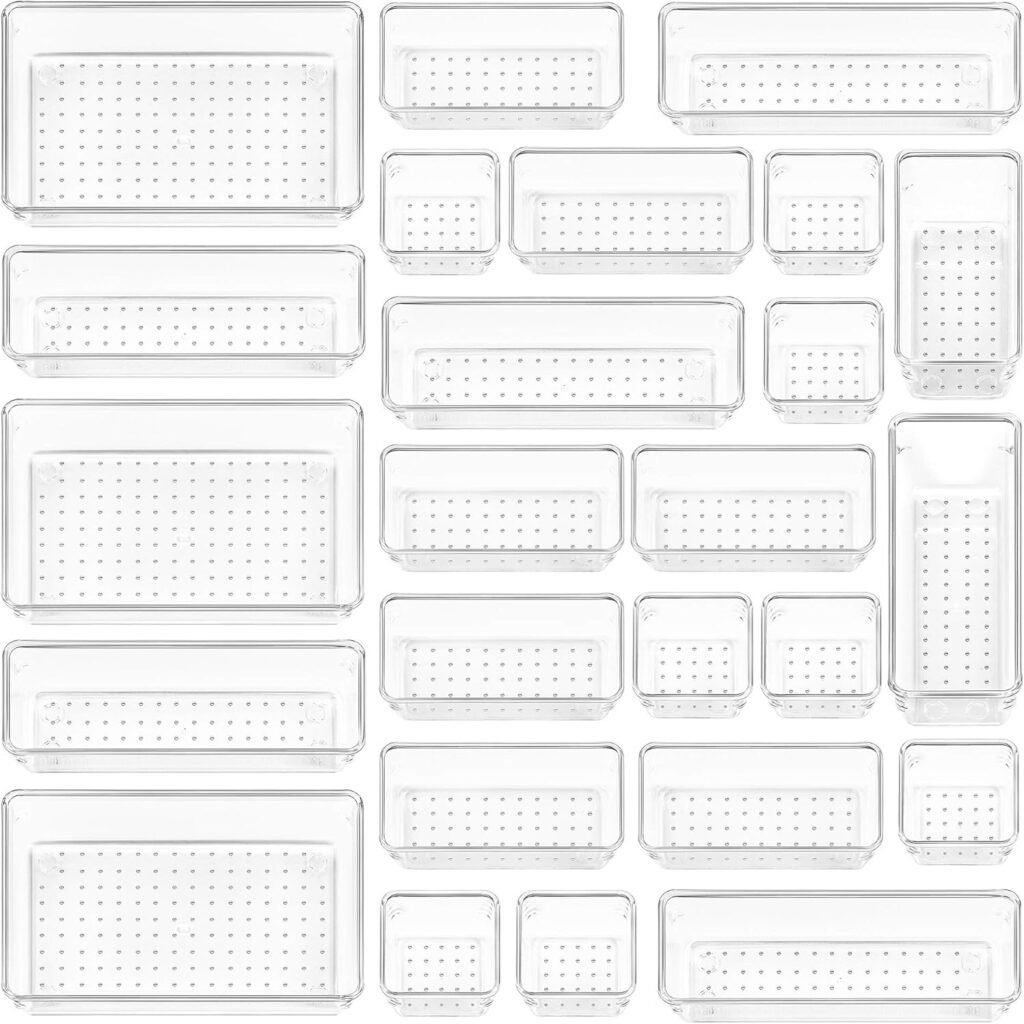 Stackable Clear Storage Bins
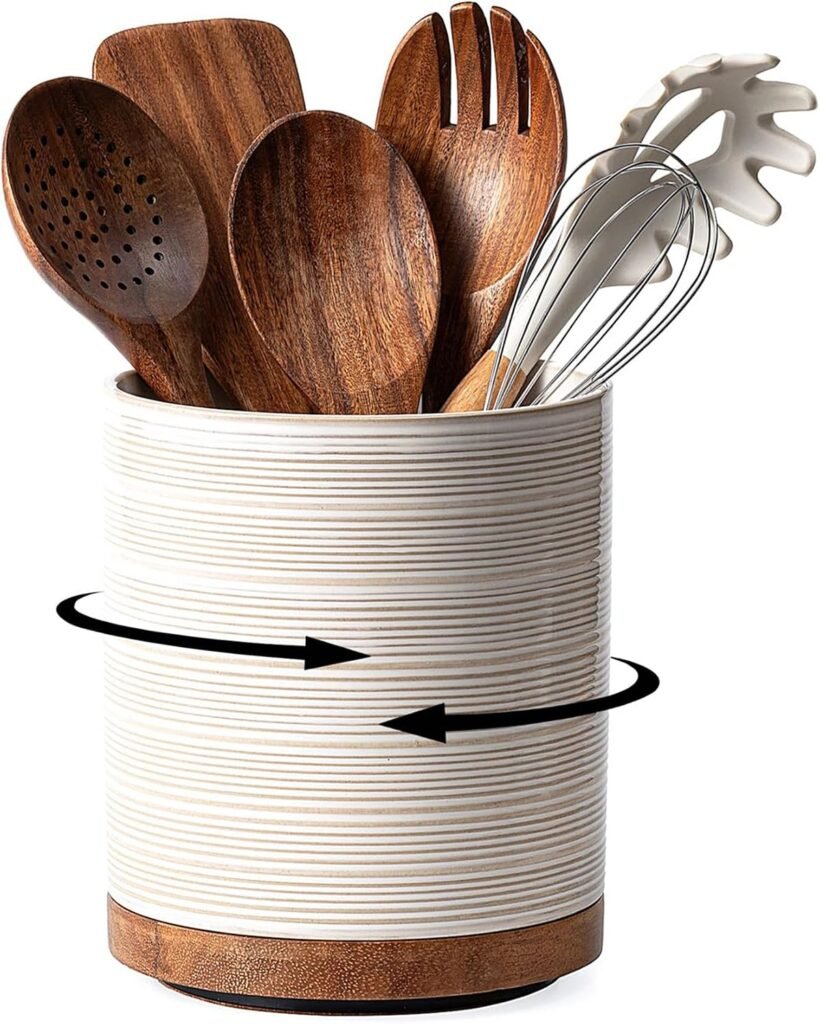 Ceramic Utensil Crock
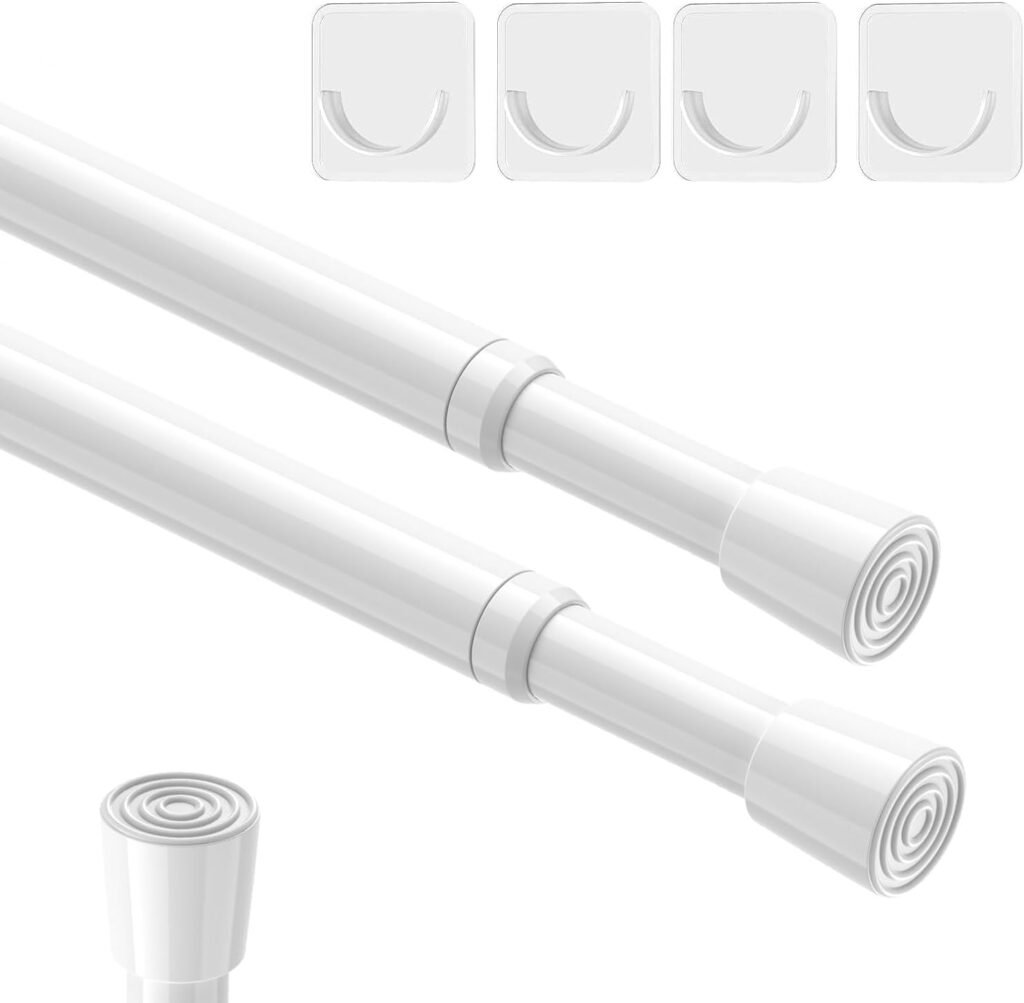 Under-Sink Tension Rod
As an Amazon Associate, The Minimal Nest earns from qualifying purchases. This comes at no extra cost to you.
Bathroom & Entryway
Use a small basket or tray system to corral daily products, and store backups under the sink rather than on display. At the entryway, one hook rack and a small tray for keys prevents the classic “pile by the door.”
Building Habits That Keep the Space Clutter-Free
A minimalist small apartment doesn’t stay that way on its own — it’s maintained through small, repeatable habits, not another big cleanout every few months.
The One-In-One-Out Rule
When something new comes into your home, something else leaves. This single habit prevents slow clutter creep more effectively than any organizing product.
A 5-Minute Daily Reset Routine
Before bed, spend five minutes returning items to their place: dishes in the sink, clothes in the hamper, surfaces cleared. This keeps small messes from becoming weekend-long projects.
Handling Sentimental Items and Gifts
You don’t have to keep every gift or memento to honor the relationship behind it. Choose a small, defined space (one box or shelf) for sentimental items, and let that boundary guide what stays.
Common Minimalist Small Apartment Mistakes to Avoid
Even with the best intentions, it’s easy for a minimalist apartment to slide back into clutter. Watch for these common mistakes:
- Buying storage before decluttering — this just organizes clutter instead of removing it
- Chasing an aesthetic instead of function — an apartment can look minimalist and still feel stressful if it doesn’t work for your daily routine
- Decluttering once and never revisiting — without habits, clutter returns within months
- Confusing “empty” with “minimal” — a cold, bare room isn’t the goal; an intentional, peaceful one is
Frequently Asked Questions
Is minimalism expensive to start?
No — the highest-impact step (decluttering) costs nothing and can even earn you money by selling unused items.
How do I make a small apartment feel bigger without spending money?
Clear surfaces, reduce furniture to essentials, and let natural light in by keeping windows unobstructed.
What’s the difference between minimalist and Scandinavian style?
Minimalism is a philosophy about owning less and being intentional; Scandinavian style is a specific aesthetic (light woods, neutral tones) that often overlaps with, but isn’t required for, minimalist living.
How much stuff should a minimalist own?
There’s no fixed number — the right amount is whatever you consistently use and value, without excess “just in case” items.
Can minimalism work with kids or roommates?
Yes, though it requires shared systems rather than one person’s rules — clear labeled storage and agreed-upon “one in, one out” habits help everyone stay on the same page.
You now have everything you need to build a minimalist small apartment that feels calm, intentional, and truly yours. Ready to take the next step? Pair this guide with our cash envelope system for a budget-first approach to minimalist living, or start your first no-spend week with our no-spend challenge guide.