
11 Minimalist Kitchen Essentials (And What to Skip)
If you’ve ever opened a kitchen drawer and found three garlic presses, a melon baller you’ve used once, and a mystery gadget from a gift set circa 2019, you already know why a minimalist kitchen sounds so appealing. It’s not about owning nothing. It’s about owning exactly what earns its place — and finally being able to find the good knife when you need it.
Below is the exact minimalist kitchen essentials list I’d tell a friend to keep, what to skip entirely, and how to build a minimalist pantry that won’t leave you ordering takeout because you can’t find anything.
What’s in This Guide
What Is a Minimalist Kitchen (And What It Isn’t)
A minimalist kitchen is a cooking space stocked only with tools, cookware, and pantry items you actually use — chosen for versatility over novelty, and organized so everything has a visible, obvious home. It’s not about having an empty, sterile-looking kitchen. It’s about function first.
A lot of people hear “minimalist kitchen” and picture bare white counters with nothing on them, like a showroom nobody actually cooks in. That’s an aesthetic choice, not a requirement. You can have a warm, lived-in kitchen and still be minimalist — the difference is that every item in it is pulling its weight.
Quick gut check: if you haven’t touched it in the last month, that’s usually your answer.
The 11 Minimalist Kitchen Essentials
This is the heart of it — based on what actually gets used in most households, not what looks good in a flat-lay photo. I’ve linked a budget-friendly pick for each one, since building this list gradually beats replacing your whole kitchen at once.
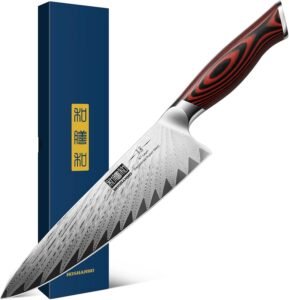
One Chef’s Knife
A sharp 8-inch chef’s knife handles roughly 90% of prep work. If you’re only upgrading one thing in your kitchen, make it this.
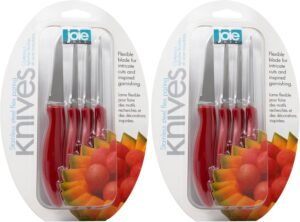
One Paring Knife
For the small jobs — peeling, trimming, and detail work the chef’s knife is too big for.
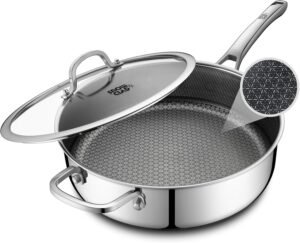
One Large Skillet
Stainless steel or cast iron, both work. Cast iron is the more frugal long-term pick — it lasts decades and often shows up secondhand for cheap.
One Saucepan With a Lid
Rice, sauces, small batches of soup — this is your everyday workhorse pot.
Shop Saucepan →One Stockpot
For pasta, soup, and batch cooking. If you meal prep, this is doing more work than any other pot in your kitchen.
Shop Stockpot →One Sheet Pan
Roasting, baking, reheating leftovers — this one pan does double duty for almost everything that goes in the oven.
Shop Sheet Pan →Wooden Spoon, Spatula & Tongs
One of each, not three. A heat-safe silicone spatula and a solid pair of tongs cover almost every stovetop task.
Shop Utensil Set →A Cutting Board
Wood or bamboo lasts longer and is gentler on your knife edge than plastic.
Shop Cutting Board →Nesting Mixing Bowls
Prep, storage, and serving in one small stack instead of a cabinet full of mismatched bowls.
Shop Mixing Bowls →Airtight Pantry Containers
Glass or BPA-free plastic. This alone makes a bigger visual difference to a “minimalist” kitchen than almost anything else on this list.
Shop Pantry Containers →One Everyday Small Appliance
A kettle, coffee maker, or blender — whichever one you’ll actually use daily. Skip the rest until you know you need them.
Shop Budget Kettle →The Complete Minimalist Kitchen List
The 11 essentials above cover almost every meal. If you want the fuller picture — extra utensils, dinnerware, and pantry prep tools — here’s everything else worth having, organized by category. Add these gradually, only once you know you’ll actually use them.
Extra Utensils
Extra Small Appliances (Only If You’ll Use Them Weekly)
Dinnerware
Everyday Plate & Bowl Set
Sized to your household, plus one or two extra for guests — not a 20-piece set for two people.
Shop Dinnerware →Everyday Mugs
Four to six matching mugs beats a cabinet full of mismatched ones from gift shops.
Shop Mugs →Pantry Prep & Storage
Glass Storage Jars (Set)
For rice, pasta, flour, and other dry staples — keeps the pantry visible and pest-free.
Shop Storage Jars →What to Skip Entirely
- Single-use gadgets: avocado slicer, egg separator, strawberry huller — a knife and a fork usually do the job
- A full 12-piece cookware set (you’ll use maybe four of them)
- Duplicate spatulas, can openers, and measuring cups “just in case”
- A second small appliance for something you already have another tool for
- Novelty dinnerware sets bought for a single season or trend
Traditional Kitchen vs. Minimalist Kitchen
| Category | Traditional Setup | Minimalist Setup |
|---|---|---|
| Cookware | 10–12 piece set | 4 versatile pieces |
| Knives | Full block (8–14 knives) | 2–3 knives |
| Small Appliances | 5+ single-use gadgets | 2–3 daily-use appliances |
| Pantry | Dozens of single-use ingredients | 10–15 versatile staples |
How to Declutter Your Kitchen, Step by Step
- Empty one category completely. Start with utensils or Tupperware — pull everything onto the counter.
- Sort into three piles. Keep, donate, toss. Be honest about the “someday” pile.
- Apply the duplicate test. Three spatulas? Keep the best one, let the rest go.
- Check expiration and function. Cracked containers and dull graters belong in the toss pile.
- Return only what you’re keeping — with a home. No obvious home is often a sign it doesn’t need to stay.
- Repeat for the next category. Pantry, then cookware, then appliances, then dinnerware.
- Reassess in 30 days. You’ll notice a few things you kept but never touched. Let those go too.
Building a Minimalist Pantry
A minimalist pantry isn’t a bare pantry — it’s an intentional one. Fewer, more versatile staples that combine into more meals beats dozens of single-use ingredients that expire before you use them.
- Rice, pasta, or another base grain
- Canned beans and canned tomatoes
- Olive oil and one neutral cooking oil
- Salt, pepper, and 4–5 spices you use often
- Onions and garlic
- Stock or bouillon
- Flour and sugar, if you bake
- A couple of sauces or condiments you actually use weekly
Rule of thumb: if a pantry item only works in one recipe you make twice a year, it’s probably not earning its shelf space.
Budget-Friendly Ways to Build Your Essentials
- Declutter before you buy anything. You may already own most of this list — it’s just buried.
- Replace one item at a time, only when something breaks or is genuinely missing.
- Buy secondhand for cookware and cast iron — thrift stores and estate sales are full of solid, barely-used pieces.
- Prioritize the knife first. It affects nearly every meal you cook.
- Use a sinking fund. If you’ve tried the cash envelope system, a small “kitchen essentials” envelope lets you upgrade gradually without derailing your budget.
FAQs
What’s the difference between a minimalist kitchen and a small kitchen?
A small kitchen is about square footage — you don’t choose the size. A minimalist kitchen is a choice about what you keep in it, regardless of how big or small the space is.
How many pots and pans does a minimalist kitchen really need?
Most home cooks can cover the vast majority of meals with one skillet, one saucepan, one stockpot, and one sheet pan.
Do I need to get rid of sentimental kitchen items?
No. If a hand-me-down mixing bowl brings you joy and you use it, keep it. The goal is fewer unused items, not zero personal items.
What should I do with kitchen items I declutter?
Donate working items, sell higher-value cookware secondhand, and recycle what’s broken beyond use — avoid just moving clutter to a junk drawer.
How do I stop buying kitchen gadgets I don’t need?
Before buying, ask whether it replaces something you own or adds a genuinely new function. A one- to two-week waiting period cuts impulse buys significantly.
Is a minimalist pantry cheaper than a regular pantry?
Usually, yes — fewer single-use ingredients means less food waste and less spent on items that expire before you use them.
How long does it take to declutter a kitchen?
A thorough declutter typically takes a weekend of focused time, or one to two weeks in short daily sessions by category.
Can a family kitchen be minimalist?
Yes — the essentials list simply scales with household size. A family of five needs more plates and a bigger stockpot than someone living solo, but the same principles apply.
Printable Checklist
Ready to Simplify Your Kitchen?
Start with one drawer this weekend. Declutter it, then check it off your list above.
Shop the Full Kitchen List →