Minimalism and Sustainability: How Owning Less Creates Less Waste
If you’ve ever felt weighed down by clutter or guilty about how much you throw away, you’re not alone. The truth is, our consumer-driven habits not only drain our wallets but also strain the planet. The good news? Living with less doesn’t just bring peace of mind—it’s also a powerful step toward sustainability. In this article, we’ll explore the natural connection between Minimalism and Sustainability, and give you practical steps to live lighter on the earth.
The Core Principles of Minimalism and Sustainability
Minimalism and sustainability may sound like separate movements, but they share the same heartbeat: intentional living.
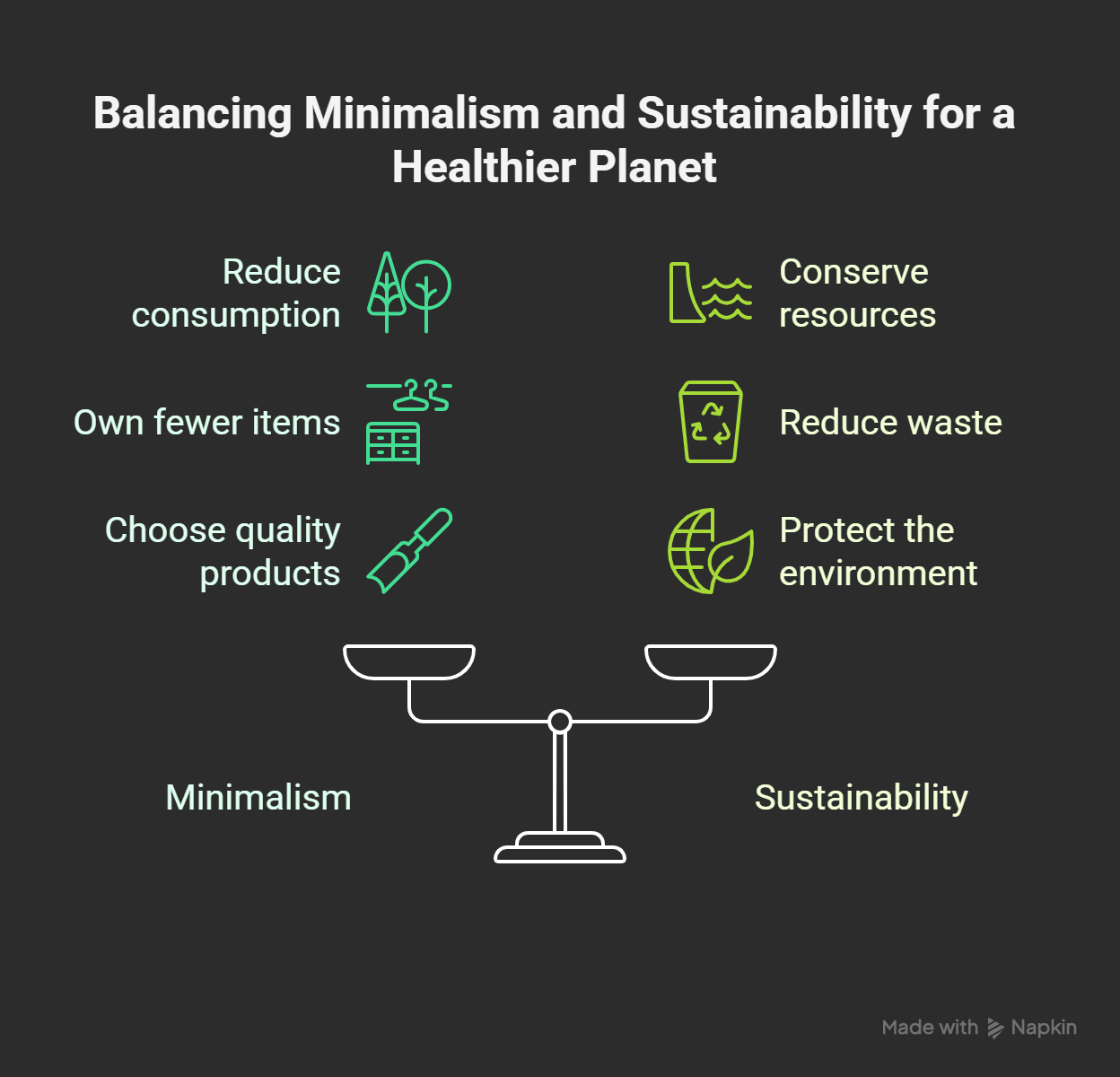
Minimalism encourages us to own fewer items and focus on what truly matters.
Sustainability focuses on reducing waste, conserving resources, and making choices that protect the environment.
When combined, these lifestyles create a ripple effect: the less we consume, the less waste we create, and the smaller our footprint becomes. It’s a shift from chasing “more” to appreciating “enough.”
Step 1: The Decluttering Process
Decluttering is the first step toward aligning minimalism with sustainability. But instead of tossing everything in sight, the goal is to declutter responsibly.
How to declutter with the planet in mind:
Sort intentionally – Divide items into categories: keep, donate, recycle, and sell.
Donate thoughtfully – Give to organizations that accept and redistribute goods effectively.
Sell what you can – Platforms like Facebook Marketplace or local thrift shops help items find new homes.
Recycle properly – Check local guidelines for electronics, plastics, and textiles.
By decluttering responsibly, you prevent perfectly usable items from ending up in landfills.
Step 2: Choosing Quality Over Quantity
Minimalism and sustainability both encourage investing in fewer, better-quality products. Instead of buying five cheap shirts that wear out in months, one well-made shirt can last years.
Easy ways to choose better:
Opt for durable materials like organic cotton, stainless steel, or glass.
Support brands with transparent sustainability practices.
Ask yourself before buying: Will I use this often? Will it last?
The key to sustainability isn’t perfection—it’s making consistent, mindful choices.
Step 3: Smart Everyday Choices
Once you’ve simplified your belongings, the next step is practicing sustainable habits day to day. Small shifts add up to big impacts.
Simple tasks to try:
Carry a reusable water bottle instead of buying plastic.
Use a tote bag for shopping.
Embrace a capsule wardrobe to reduce clothing waste.
Switch to digital receipts and bills to cut down on paper.
Meal plan to reduce food waste and save money.
These habits align your daily life with both minimalism and sustainability while reducing stress in the process.
Common Mistakes to Avoid
It’s easy to get caught up in the excitement of simplifying, but here are a few pitfalls to watch out for:
Decluttering wastefully – Throwing away everything at once creates more harm than good.
Impulse “minimalist” shopping – Replacing items too quickly with trendy “eco” alternatives often adds clutter.
Chasing perfection – Sustainability is a journey, not a competition. Start small and grow from there.
Remember, the goal is progress, not perfection.
Conclusion
Minimalism and sustainability are deeply connected. By owning less, you naturally create less waste, save money, and reduce stress—all while contributing to a healthier planet. You don’t need to overhaul your life overnight. Start small: donate one box, choose one reusable swap, or plan one waste-free meal.
Each intentional step is a win for you and the environment. Why not start today?